Malibu is a 21-mile coastal city of about 10,650 people, and unlike most places it publishes a clear re-roofing policy. Pacific Home Exteriors builds each Malibu roof to that policy: permit first, Class A throughout, and a plan for salt air, wind and the coastal process.
Roofing · Malibu
Summarized from the City of Malibu Re-Roofing Policy, which refers to the 2026 County of Los Angeles Building Codes. Always confirm the current version.
Every new roof and every re-roof needs a building permit before work begins, with a listing report from ICC, UL, ETL or another approved lab.
The city describes itself as sitting in a Very High Fire Hazard Severity Zone as classified by the State Fire Marshal, and the policy states that all roofing material must be rated Class A.
Wood shakes and shingles are strictly prohibited within city limits.
Roofing must also meet Cool Roof Rating Council requirements under the county's green building code.
The policy requires at least two inspections: one before new material goes on and a final when the work is complete. We keep roof access open for both.
Asphalt overlays, built-up roofs, tile, lightweight tile and metal panels each have their own conditions, and we specify to them.
Under the policy, tile can go over existing tile only with plans and calculations stamped by a California registered engineer or licensed architect. Lightweight tile of six pounds or less per square foot may not need plan check, but the old roof system has to come off down to the sheathing first. Heavier tile needs stamped plans. Metal roof panels, including standing seam, also require the existing roof to be removed and the sheathing exposed.
That sets the calendar. If you want heavier tile, build in time for an engineer. If you want a lighter tile or standing seam metal, expect a full tear-off, and we plan for it from the start.
One more detail: only a single overlay of asphalt shingles is allowed over an existing asphalt shingle roof, and built-up roofing generally comes off completely. We read your roof first, then tell you which path applies.
Malibu's land use is shaped by the California Coastal Commission. A state law written for Malibu let the Commission draft the city's Local Coastal Program, so the Commission's role here is larger than in most cities. City notices show roof work sometimes processed as a coastal development permit exemption, but whether yours qualifies depends on the parcel. We ask the city before we quote.
Salt air is a fact of life. We specify corrosion-resistant fasteners, flashings and metals suited to the coast, and we check gutters and vents for salt buildup during any maintenance visit.
Malibu has lived through the Woolsey Fire in November 2018, the Franklin Fire in December 2024 and the Palisades Fire in January 2025. We speak with neighbors who are rebuilding respectfully and without pressure, and we state the facts plainly: the policy calls for Class A, and we build to it. Parcel fire zones are in the State Fire Marshal parcel viewer.
A gated community that opened to development after 1926, with multimillion-dollar homes on small lots. Because access is controlled, we ask for the gate procedure and crew list rules ahead of time.
The headland at the northern end of Santa Monica Bay. Wind, salt air and bluff-top exposure shape fastener, flashing and gutter choices.
A neighborhood tied to the historic Serra Retreat, a Franciscan retreat house rebuilt with many of its original tiles after a 1970 fire. Access and neighborhood rules vary by street, and we confirm both before we quote.
Delivery windows along the highway depend on traffic and road conditions, which have changed since the January 2025 fire. We confirm both when we schedule.
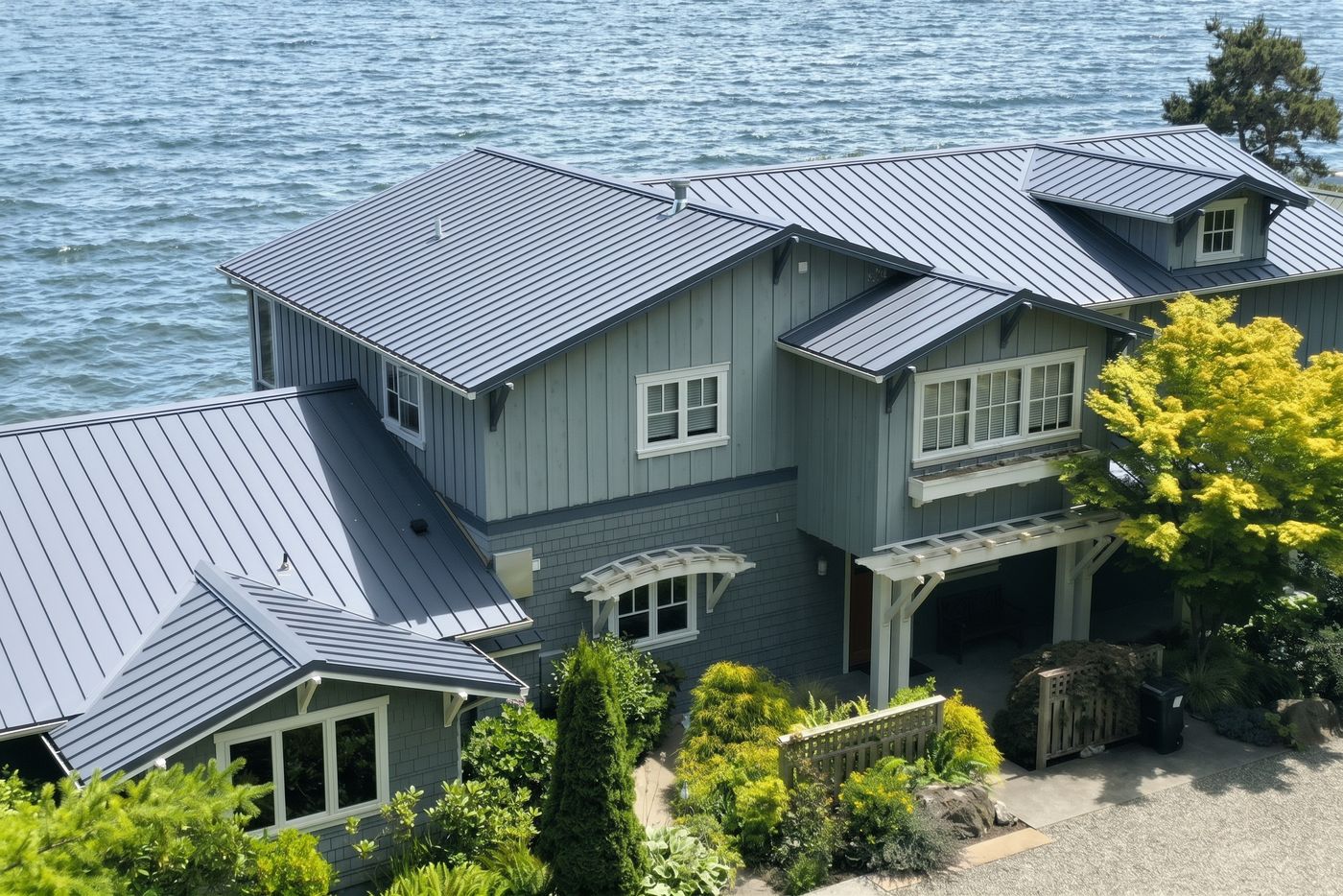
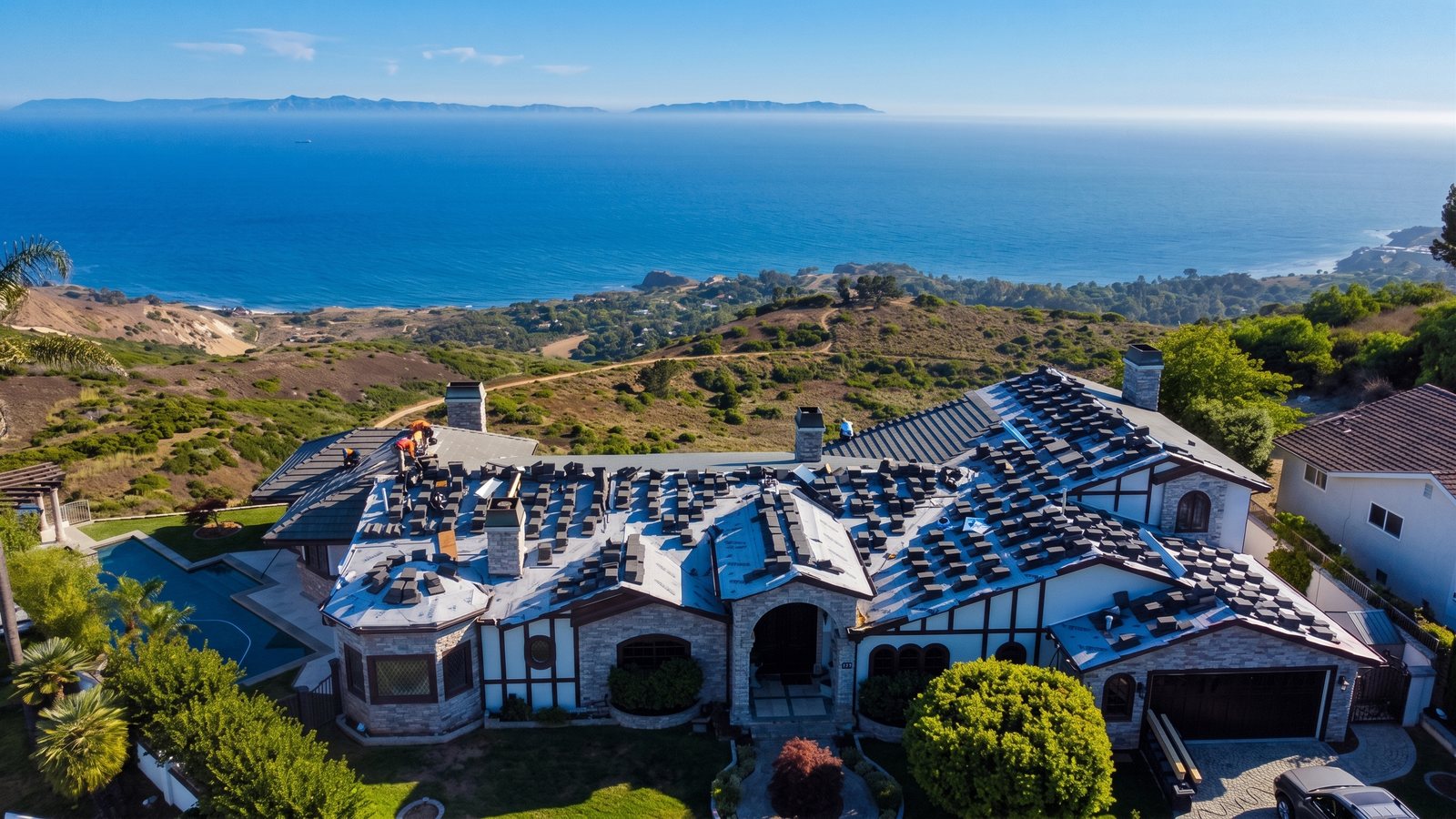
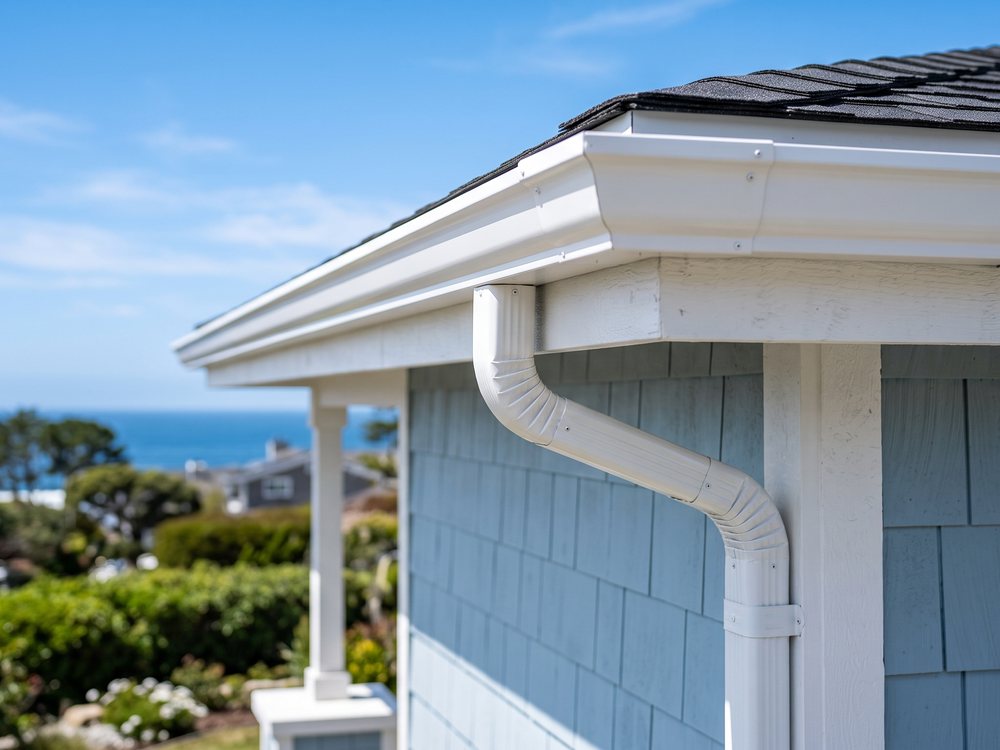
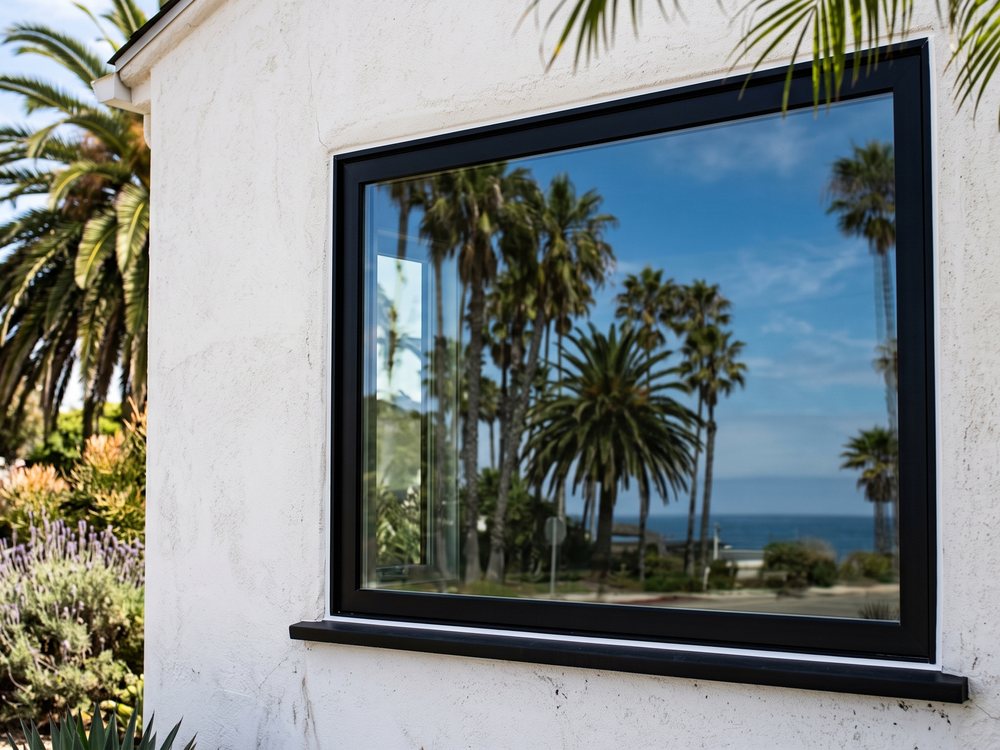
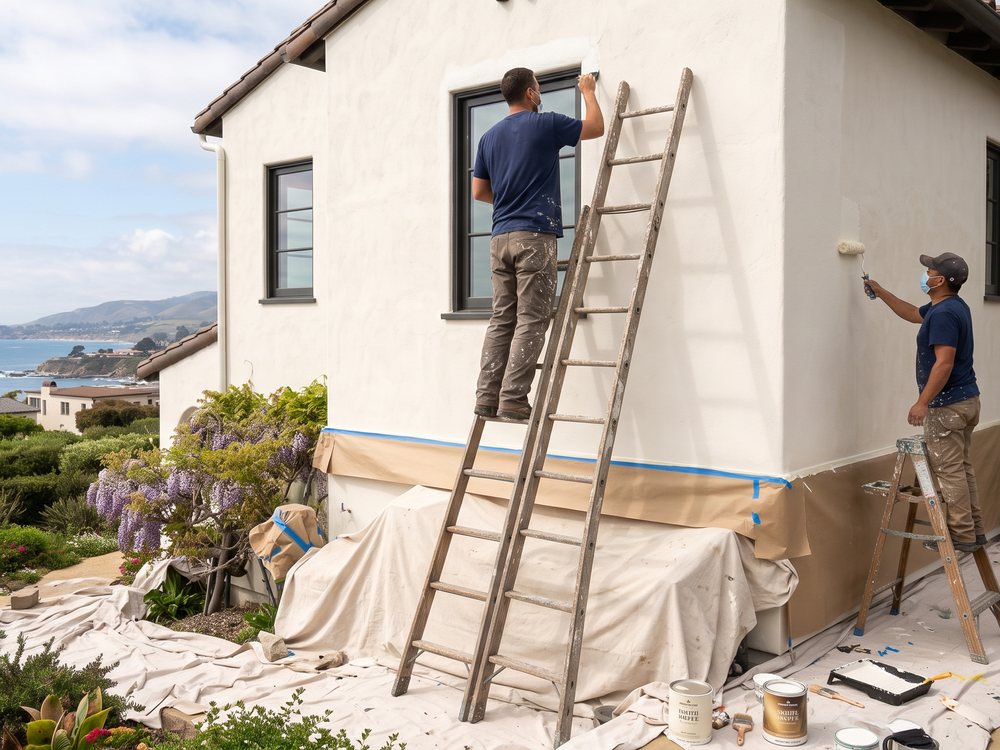
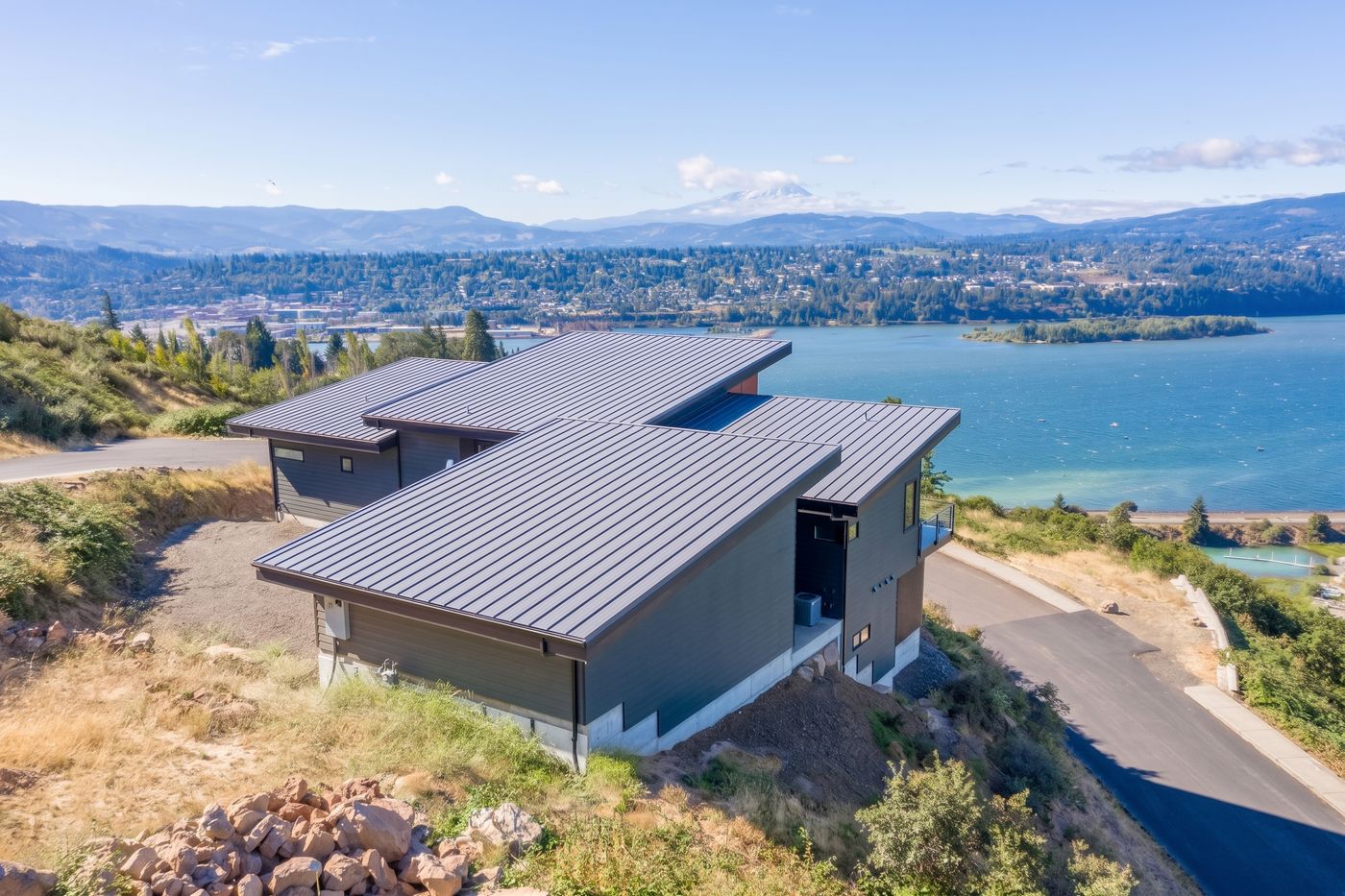
These photos show Pacific work across Southern California. None of them is a Malibu project.
Our rebuild-aware page for the community just south.
A Ventura County enclave inland to the northwest.
Malibu's western edge meets Ventura County.
Our full county service area.
Planning windows or paint with the roof? See our windows and doors page and our roofing page.
The City of Malibu's re-roofing policy requires Class A roofing throughout, prohibits wood shakes and shingles, and sets conditions for asphalt shingles, built-up roofing, tile and metal panels. Tile and standing seam metal can both be part of a Class A assembly when installed to their listings. We confirm the current policy before we quote.
Sometimes it is handled as a coastal development permit exemption, and sometimes more review applies, depending on the parcel and whether the work changes the roof's form. We ask City Planning about your address and give you the answer in writing before we quote.
Plan for a full tear-off for lightweight tile and metal panels, because the policy calls for removing the existing system down to the sheathing. Heavier tile adds time for engineering. We give a written schedule after inspection and name the step most likely to change it.
Start with a free, no pressure inspection that reads your roof against the city's policy and plans the coastal steps.